
Optica filter
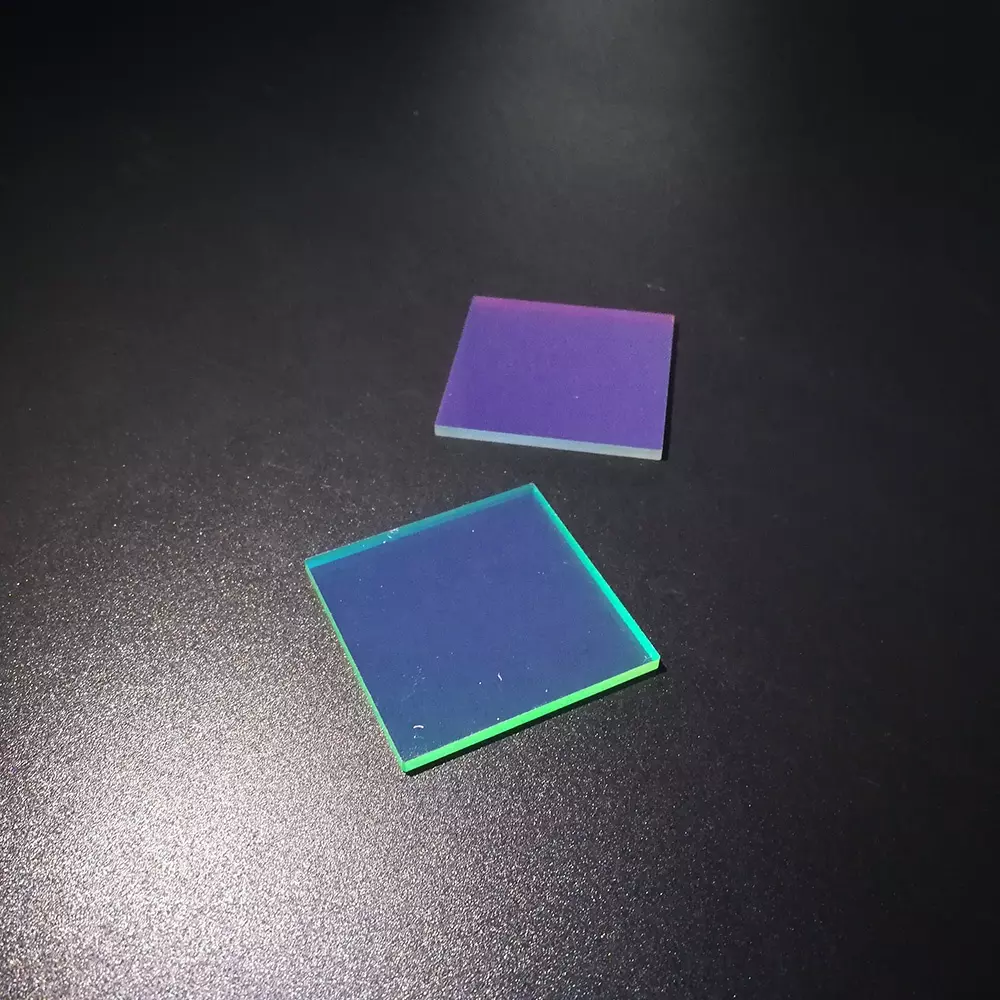
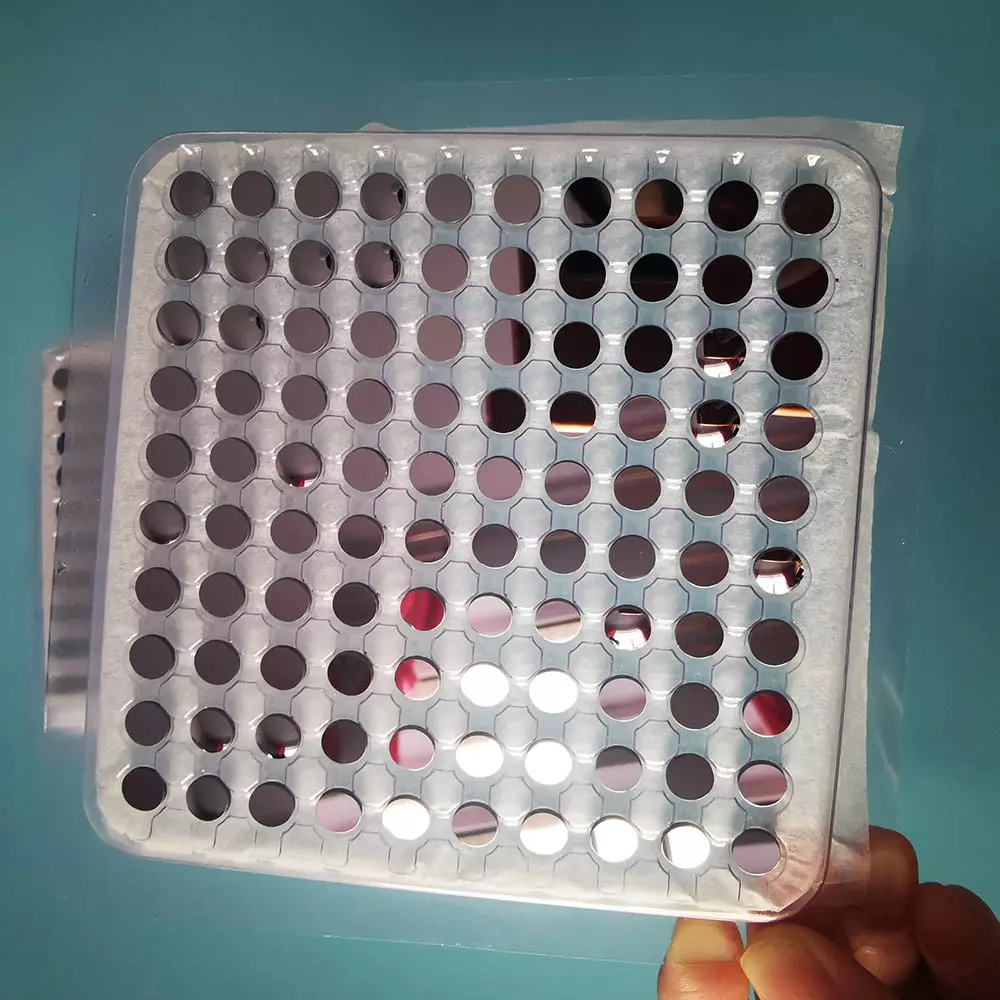
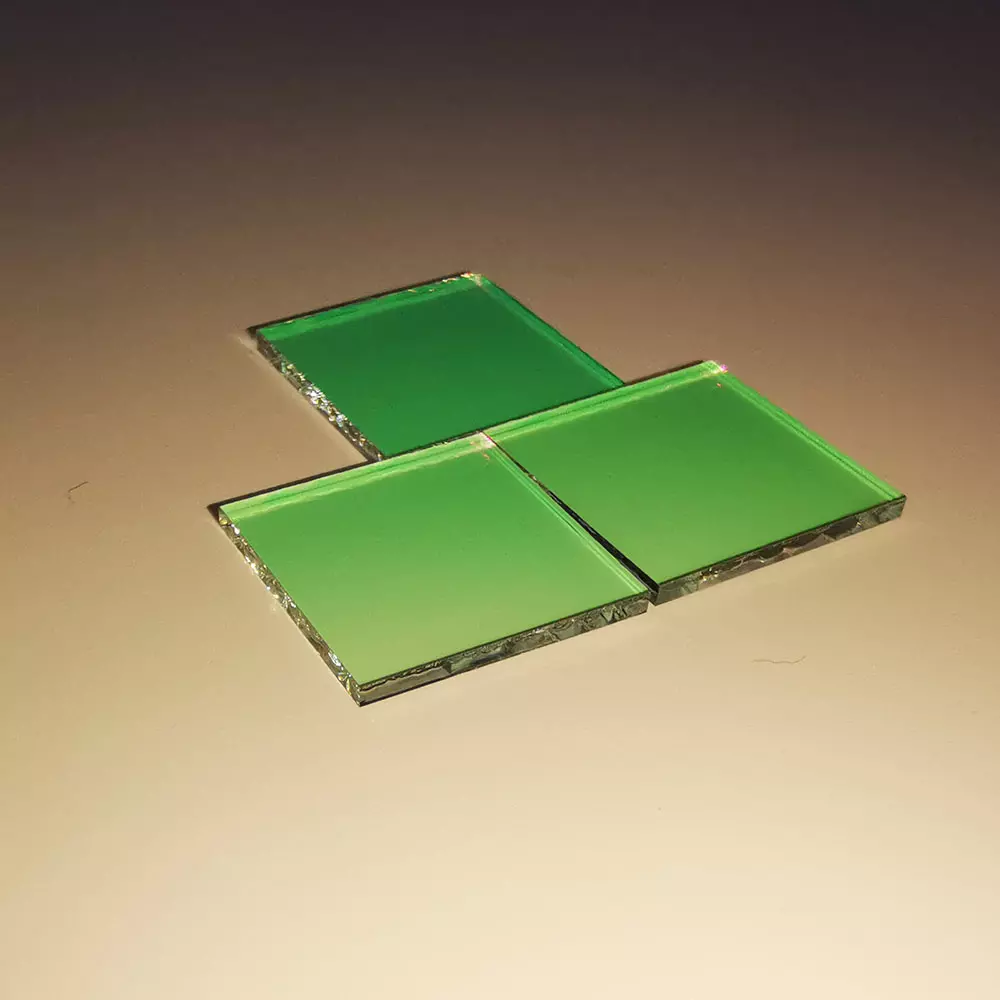
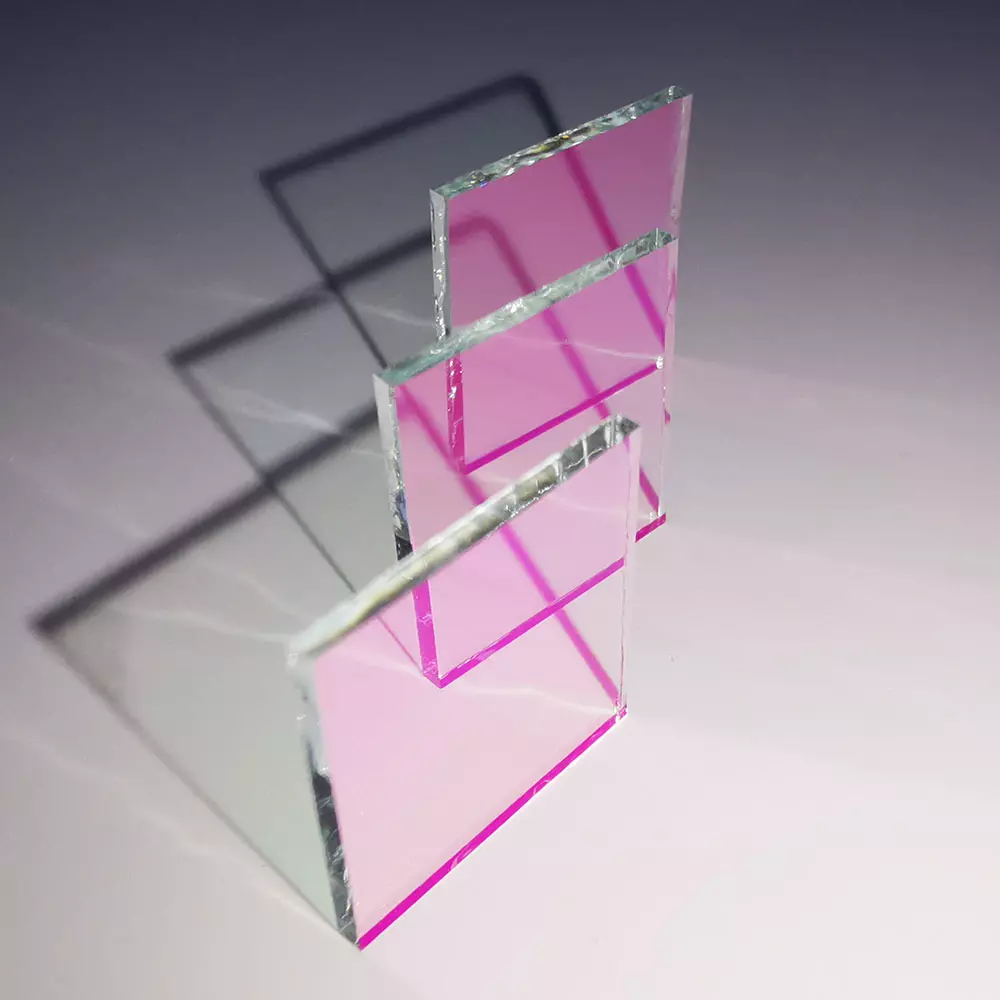


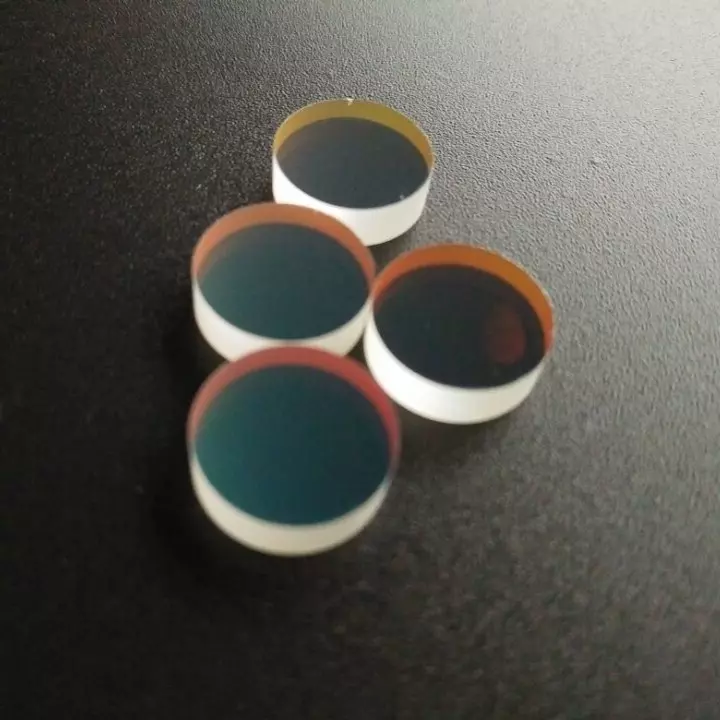
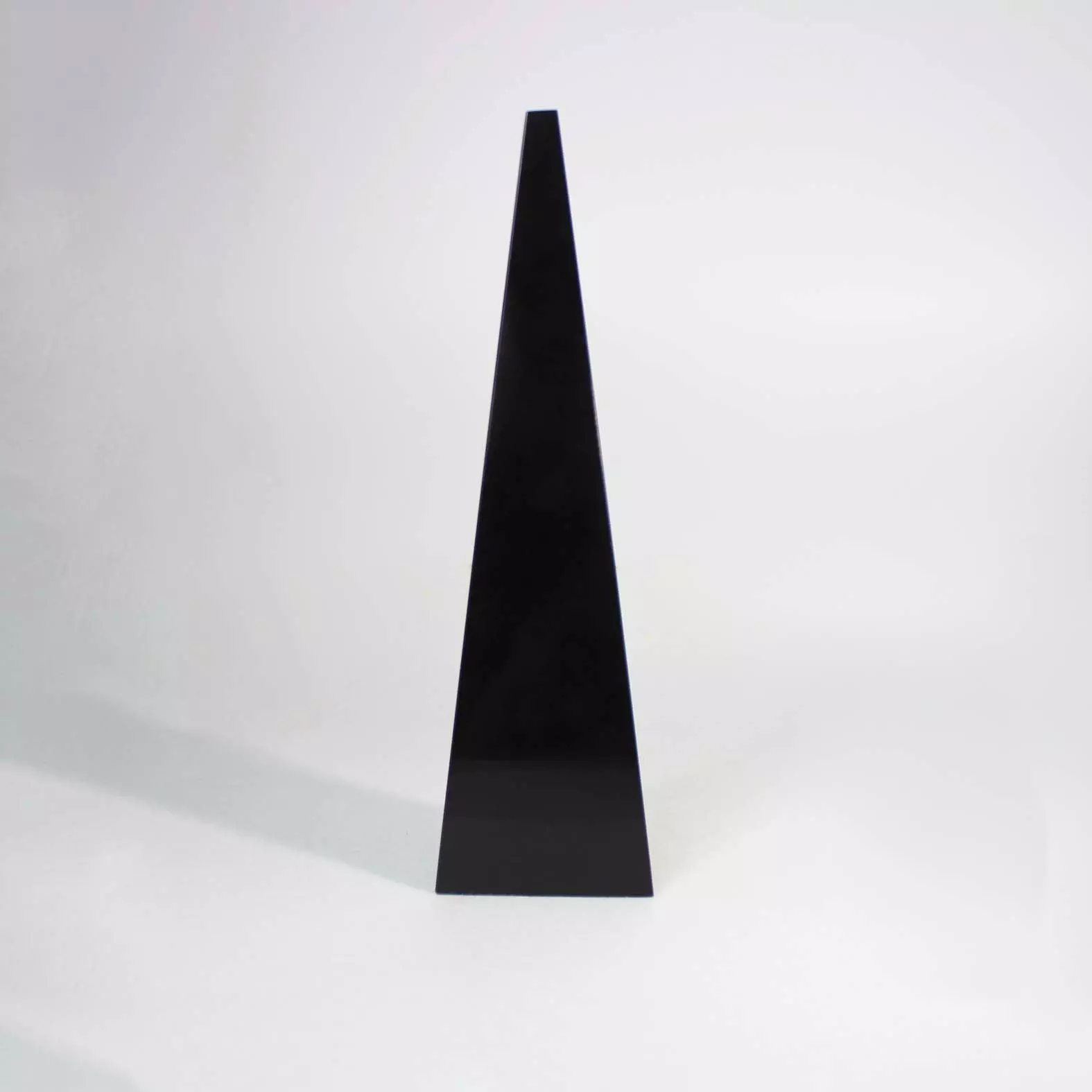
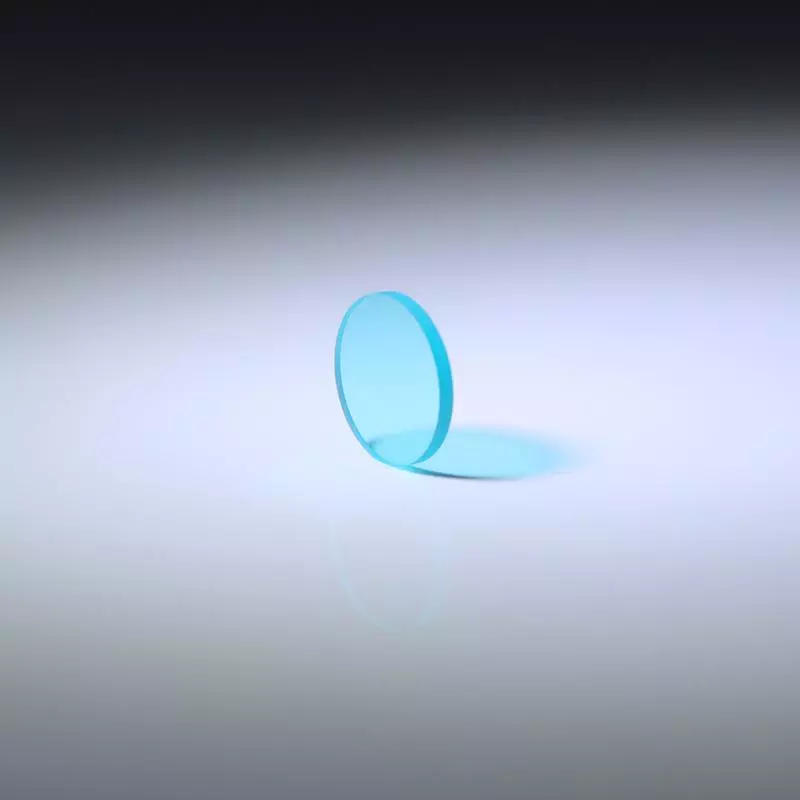
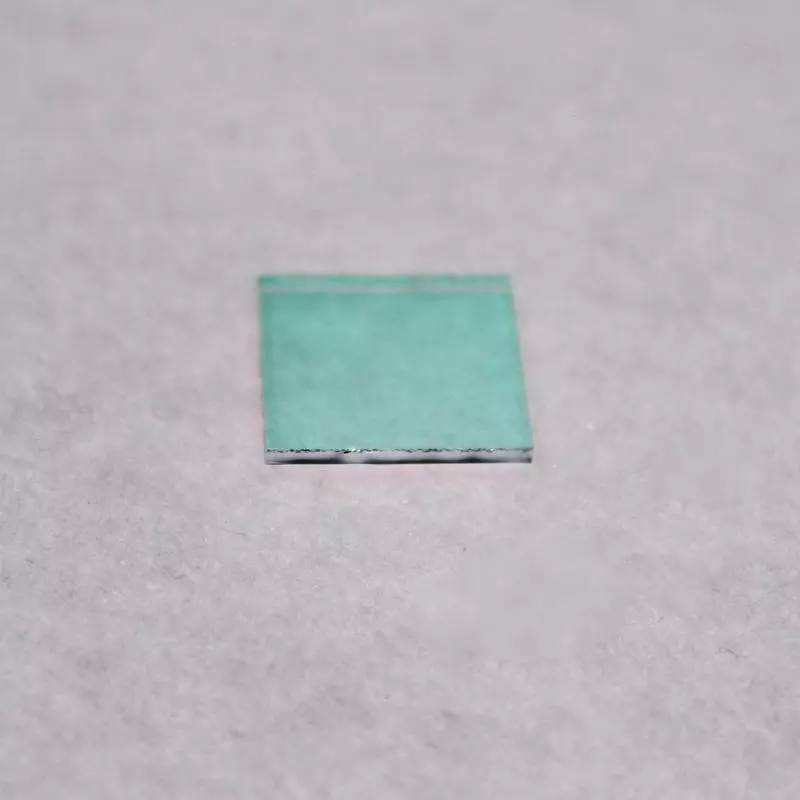


An optical filter is an essential component in modern optical systems, designed to selectively transmit or block specific wavelengths of light. Whether used in photography, scientific instruments, or industrial applications, an optical filter helps improve image quality, reduce glare, and enhance contrast by filtering out unwanted light. These filters are crucial for achieving high precision in fields that rely on controlled light transmission and reflection, ensuring optimal performance and accuracy.
Optical Filtration: The Key to Advanced Optical Systems
Optical filtration refers to the process of filtering light in optical systems to achieve the desired wavelength or intensity. Optical filters are used to control the light that passes through a lens or other optical components, improving the performance of cameras, telescopes, microscopes, and various industrial devices. By manipulating light in this way, optical filtration helps create clearer images, reduce reflections, and enhance the overall quality of the visual output.
Optical filters are utilized across a wide range of industries to achieve specific light control objectives. Some common applications include:
- Photography and Videography: In cameras, optical filters are used to enhance contrast, reduce glare, and balance light conditions, improving the overall quality of photos and videos.
- Scientific Research: In fields like astronomy, microscopy, and spectroscopy, optical filters help isolate certain wavelengths of light, allowing researchers to observe phenomena more clearly and precisely.
- Industrial Inspection: Optical filtration is essential in industrial applications where accurate light control is required for inspecting products, materials, and equipment.
- Medical Devices: In medical imaging and diagnostic equipment, optical filters are used to enhance clarity, allowing healthcare professionals to observe tissues and cells with greater detail.
Types of Optical Filters
There are several types of optical filters, each designed to serve a specific function in different optical systems. Common types include:
- Bandpass Filters: These optical filters allow only a specific range of wavelengths to pass through, blocking out all others. They are used in applications such as fluorescence microscopy and laser systems.
- Neutral Density Filters: These filters reduce the intensity of all wavelengths equally, allowing for controlled light exposure without altering the color balance. They are widely used in photography and videography.
- Polarizing Filters: Polarizers reduce glare and reflections by filtering light waves that are polarized in certain directions. They are particularly useful in photography and optical instruments.
- UV and IR Filters: These filters block ultraviolet (UV) or infrared (IR) light, protecting lenses and sensors from harmful wavelengths that can cause distortion or damage.
Benefits of Using Optical Filters
Using optical filters in your optical system offers several key benefits:
- Improved Image Quality: By filtering out unwanted wavelengths, optical filters enhance contrast and clarity, leading to sharper and more detailed images.
- Precision in Light Control: Optical filtration allows for precise control over which wavelengths of light are transmitted, reflected, or absorbed, enabling high-precision results in scientific and industrial applications.
- Reduced Glare and Reflections: Polarizing and neutral density filters help minimize glare and unwanted reflections, making them essential in photography, microscopy, and other optical systems.
- Extended Equipment Lifespan: By blocking harmful UV or IR light, certain optical filters can protect lenses and sensors from damage, extending the life of your optical equipment.
Choosing the Right Optical Filter for Your Needs
When selecting the appropriate optical filter for your application, it’s important to consider several factors:
- Wavelength Range: Depending on your needs, you may require an optical filter that transmits, blocks, or reflects specific wavelengths of light.
- Material Quality: The material used in the filter impacts its durability and performance. High-quality glass or optical-grade plastics are common choices for precise optical applications.
- Coating Options: Many optical filters come with anti-reflective coatings or other specialized treatments to improve light transmission and reduce glare, making them ideal for demanding applications.
An optical filter is a vital tool for enhancing light control and precision in a wide range of applications. From photography to scientific research and industrial inspection, optical filtration ensures that light is managed efficiently and accurately, improving the performance and output of your optical systems. At OptiTechno, we offer a variety of high-quality optical filters designed to meet the specific needs of different industries, ensuring that your system delivers optimal results every time.
We offer fast and secure shipping of optical filters across the USA and Europe, ensuring timely delivery for professionals in photography, research, and industrial applications. Our trusted logistics network guarantees safe handling and efficient transit, so you receive high-quality optical filtration solutions without delays. Experience hassle-free international shipping with our reliable service.
Our Ordering Process
Send us your request with detailed specifications
Receive a commercial offer with terms and costs
After your approval, we handle manufacturing, quality control, and shipping
📦 Shipping
3-5 days in EU, from 10 days to USA
💳 Payment methods
Cash, Bank Transfer, Cards (Visa, Mastercard, Amex, Discover) and PayPal
💬 Questions?
Contact us via WhatsApp, phone, live chat or email